The Complete Máncora, Peru Travel Guide
Where to stay, how to arrive, when to go and what is actually worth your time—an independent starting point for Peru’s northern coast.
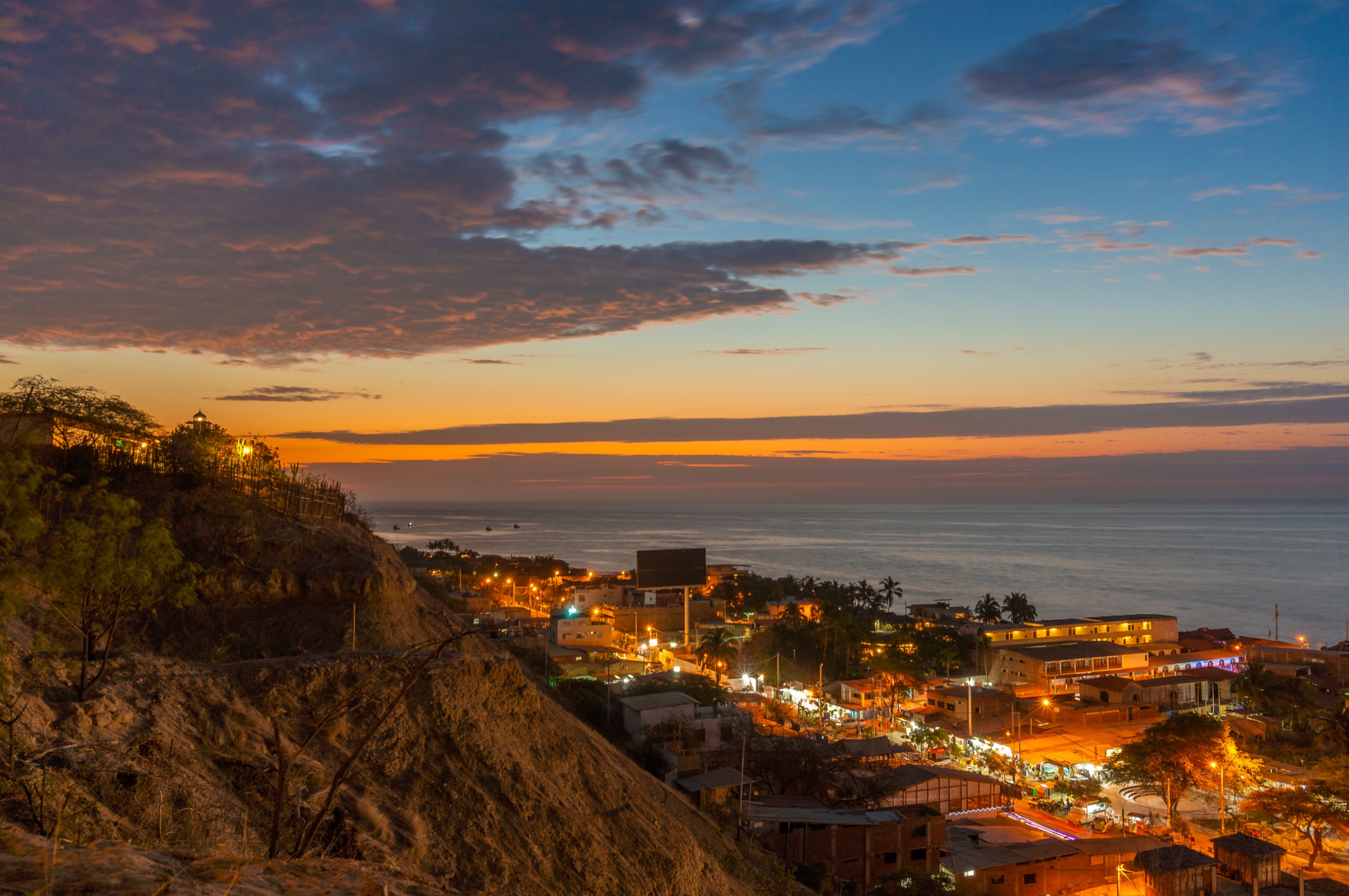
Surf, winter sun, seafood and a slow coastal trip
Máncora, Las Pocitas, Vichayito and Los Órganos
Talara; always verify current flights before booking
Surf conditions, whale season and current coastal weather
01
First, understand that Máncora is more than one beach
Máncora is both a town and the name travelers often use for a wider stretch of Peru’s far northern coast. The center has the greatest concentration of restaurants, nightlife, surf schools and everyday services. South of town, Las Pocitas trades immediacy for rocky coves, tide pools and quieter design-led stays. Vichayito feels more open and residential, while Los Órganos is a working coastal town and a common departure point for marine excursions.
That distinction should decide where you sleep. A traveler who wants to walk to a beginner surf lesson and dinner has a different ideal base from someone who wants a private terrace and does not mind arranging a mototaxi. Choose the rhythm first; choose the hotel second.
- Choose central Máncora for walkability, energy, restaurants and nightlife.
- Choose Las Pocitas for a quieter cove, elevated stays and easy access to town by taxi.
- Choose Vichayito for more space, a slower beach day and a resort or rental-style trip.
- Choose Los Órganos for a local-town base near marine excursions and El Ñuro.
02
Build the trip around one or two priorities
Máncora works best when it is not treated as a checklist. Surf travelers should leave room for the day’s conditions. Marine-wildlife trips need the right season and a responsible licensed operator. A restorative beach trip needs a base with shade, dependable transport and the atmosphere you actually want after sunset.
For a first visit, four or five nights allows time to learn the coast without rushing. Add days if surfing is the main goal or if you want to split the trip between central Máncora and a quieter southern beach. A short stay can still work, but avoid spending most of it changing hotels or making a long out-and-back journey every day.
03
Arrival is simple once the final transfer is planned
Talara is the nearest commercial airport, with Máncora reached by road from there. Piura and Tumbes can be useful alternatives depending on your itinerary and the flights operating on your dates, but both mean a longer road transfer. Current airline schedules change, so compare the complete door-to-door journey rather than assuming the closest airport has the best connection.
Arrange the first transfer with your accommodation or a clearly identified provider before you land, especially after dark. Inside the coastal area, mototaxis and taxis handle most short trips. If you rent a car, confirm insurance, road conditions, parking and after-hours procedures directly with the rental company. Do not let an unfamiliar overnight drive be the first decision of the trip.
04
Use trip goals—not a generic ‘best month’—to choose dates
The northern coast is warm and dry for much of the year, but sea conditions, wind, humidity and rainfall risk are not fixed. Whale-watching season is generally promoted from mid-July through the end of October. Surf conditions vary by break, swell direction and experience level. Strong El Niño conditions can materially change coastal weather and travel logistics.
Check SENAMHI’s current Piura information before travel and again near departure. A historic climate average is useful for packing, but it is not a current forecast or a safety notice. For ocean activities, ask a reputable local operator about the actual conditions that morning.
05
Spend in ways that keep value on the coast
Use local guides, eat at independently owned restaurants and buy directly from makers when possible. Ask before photographing people, fishing work or young participants in community programs. Wildlife encounters should be led by operators who explain distance, speed and safety practices rather than promising the closest possible photo.
Máncora Living covers properties and organizations connected to its wider community, and those relationships are disclosed where relevant. Recommendations are never pay-to-rank. The aim is to help you make a better decision, including when the answer is that a particular part of the coast is not right for your trip.
06
Frequently asked questions
How many days do you need in Máncora?
Four or five nights is a useful first visit. Add time for a surf-focused trip, a slower stay or a split between central Máncora and quieter beaches to the south.
Is Máncora only a party town?
No. The center has nightlife, but Las Pocitas, Vichayito and Los Órganos offer markedly quieter rhythms within the same coastal area.
What is the closest airport to Máncora?
Talara is the closest commercial airport. Compare current schedules with Piura and Tumbes and include the full road transfer when choosing a route.
Can you visit Máncora without surfing?
Yes. Beaches, food, marine wildlife in season, nearby coastal towns, design-led stays and a relaxed pace make the region worthwhile without a surf itinerary.
Sources and current checks
Official and primary pages used to ground this guide. Always use their current information for a real travel decision.